Unlike today’s jails, where nutrition is monitored by law and three meals a day are served to inmates, surviving a medieval dungeon had unique challenges. Prisoners lacked basic necessities. Unless one’s family or friends brought sustenance, ale, and clean water, captives had no provisions. They had to pay for food, bedding and heat.
Dungeons were cold, dark, dank, and filthy. Waste accumulated, making the air foul. Prisoners relied on chamber pots or buckets, if those were available. Sometimes guards even required payment to empty a chamber pot. Diseases such as dysentery and typhoid ran rampant.
A noble family might be forced to sell valuables such as jewelry, tapestries, silverware, or furniture to maintain a loved one’s upkeep.
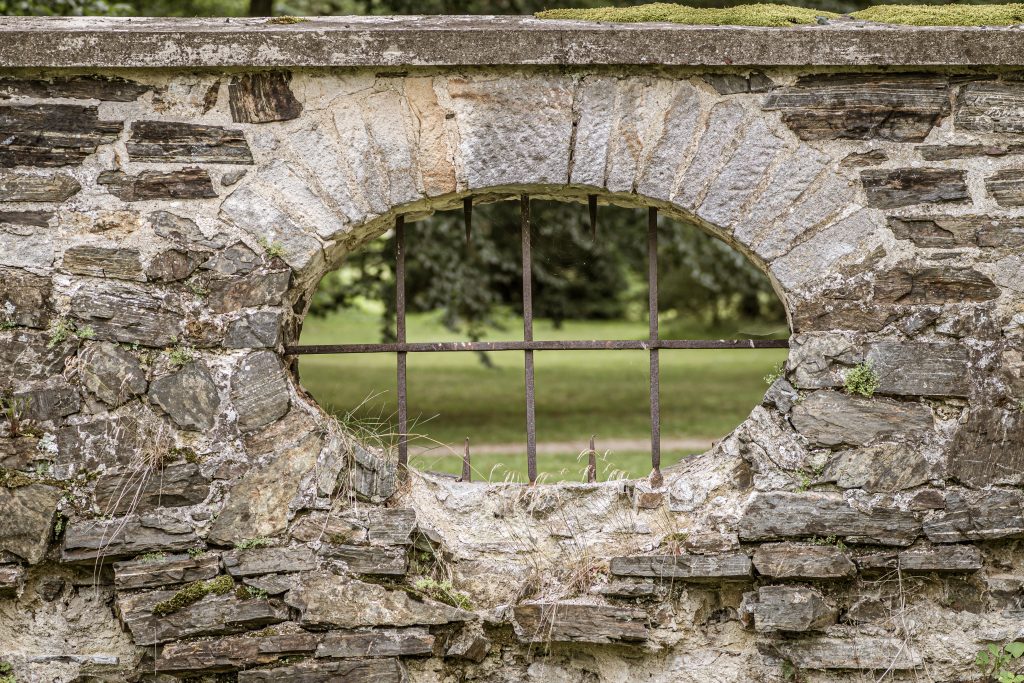
Some jails had a small window to allow prisoners to beg from by-passers. Commoners depended on stale bread and pottage from church handouts. The impoverished could be left to starve.
Wealthier or high-class prisoners could bribe jailers for more lavish meals such as wine or fresh rations. Captors were more inclined to keep wealthy prisoners alive because they could be ransomed.
In one dungeon, a prisoner raised a herd of rats for food to survive.
Pontefract Dungeon in the UK (also known as Pomfret) served as an inspiration for Shakespeare. It has a terrifying, extremely dark, oppressive, underground labyrinth made from hollowed out bedrock thirty-five feet below the castle. Detainees scratched their names into the walls during their wretched imprisonment.
Did they know their silent epitaph would echo through the ages?